Choosing the right roofing material for storm-prone areas is critical to safeguarding your home. In Gainesville, where storms can be severe, selecting the appropriate roofing can prevent costly damage and ensure your home remains safe. This article explores how to choose the best roofing materials suited for storm-prone regions, focusing on key factors, popular options, and common pitfalls.
Understanding Storm Damage Risks
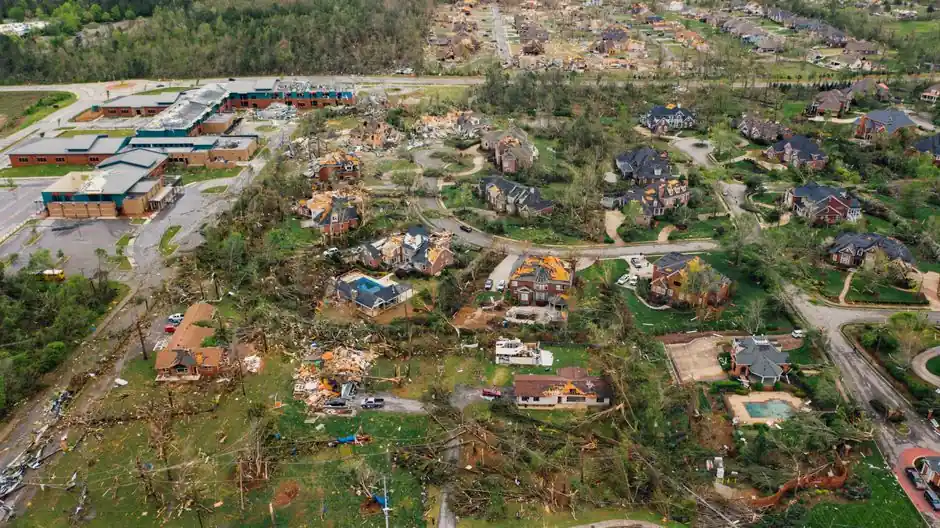
Storms can cause various types of damage to roofs, including wind uplift, hail impact, and water intrusion. In Gainesville, hurricanes and heavy thunderstorms are prevalent, making it essential to understand the risks involved. For example, high winds can lift shingles, while hail can create dents and punctures.
Additionally, the local climate contributes to the wear and tear on roofing materials. Humidity and heavy rains can lead to mold and rot, especially in older roofs. Understanding these risks helps guide your choice of materials that can withstand such conditions.
Key Factors in Choosing Roofing Materials
When selecting roofing materials, consider the following factors:
- Durability: Materials must withstand wind, rain, and hail.
- Weight: Heavier materials may require additional structural support.
- Cost: Factor in both initial costs and long-term maintenance.
- Energy Efficiency: Some materials offer better insulation, reducing energy costs.
- Aesthetic Appeal: Choose a style that complements your home's architecture.
It's crucial to balance these factors to find a suitable roofing material that meets your needs.
Popular Roofing Materials for Storm-Prone Areas
Several roofing materials are particularly effective in storm-prone areas like Gainesville:
Asphalt Shingles
Asphalt shingles are a popular choice due to their affordability and ease of installation. They come in various styles and colors, allowing homeowners to customize their look. However, they may not be the most durable option against severe storms.
Metal Roofing
Metal roofs are known for their longevity and resistance to high winds. They can withstand hail and are less likely to be damaged during storms. While the initial cost is higher, their lifespan can make them a cost-effective choice.
Tile Roofing
Tile roofs, especially clay or concrete tiles, offer excellent durability and can withstand extreme weather conditions. They are heavy, so ensure your home's structure can support them. In Gainesville, tile roofs are popular for their aesthetic appeal and longevity.
Impact-Resistant Shingles
These shingles are specially designed to withstand hail and high winds, making them an excellent choice for storm-prone areas. They may come at a premium but can save you money on repairs in the long run.
Comparing Costs and Lifespans
Understanding the costs associated with different roofing materials is essential. Here's a quick comparison:
- Asphalt Shingles: $90-$100 per square, lifespan of 15-30 years.
- Metal Roofing: $100-$300 per square, lifespan of 40-70 years.
- Tile Roofing: $300-$600 per square, lifespan of 50+ years.
- Impact-Resistant Shingles: $120-$300 per square, lifespan of 25-50 years.
While initial costs are important, consider the long-term investment of each material. Opting for a more durable material may save you money on repairs and replacements over time.
Common Mistakes to Avoid
When choosing roofing materials, avoid these common pitfalls:
- Ignoring local building codes and regulations.
- Choosing aesthetics over functionality.
- Failing to consider the long-term costs of maintenance and repairs.
- Not consulting with a roofing professional for advice.
By being aware of these mistakes, you can make a more informed decision that protects your investment.
When to Call a Professional
If you're uncertain about which roofing material is best for your home, consulting with a professional can provide valuable insights. RoofGuard specializes in storm damage roof repair gainesville FL and can help assess your roofing needs. Their expertise can guide you in selecting the right materials that suit both your home and local climate.
Frequently Asked Questions
- What roofing material is best for hurricane-prone areas?
Metal roofing is often considered the best option due to its durability and resistance to high winds. - How long does a roof typically last?
The lifespan varies by material; asphalt shingles last 15-30 years, while metal roofs can last 40-70 years. - Are impact-resistant shingles worth the investment?
Yes, they can save you money on repairs and insurance premiums in storm-prone areas. - Do I need a permit to replace my roof?
Yes, most local regulations require permits for roofing work. Check with Gainesville authorities for specifics. - How can I maintain my roof after installation?
Regular inspections, cleaning debris, and addressing minor repairs promptly can extend your roof's lifespan.
Get Help with Storm Damage Roof Repair in Gainesville
If you need assistance with storm damage roof repair in Gainesville, RoofGuard is here to help. Our team of experts is ready to provide you with the best solutions for your roofing needs.