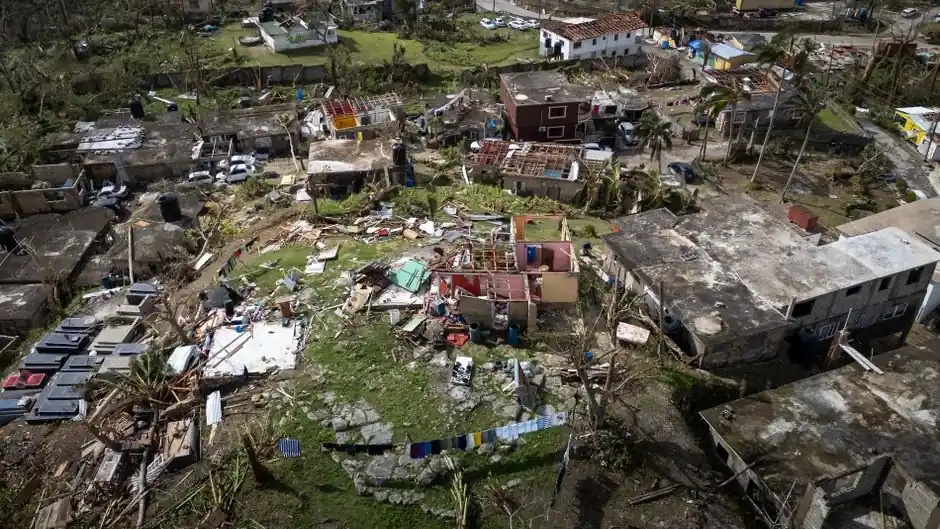
Storms can wreak havoc on your roof, leading to costly repairs if not addressed promptly. Knowing how to assess storm damage on your roof is essential for every homeowner in Gainesville. This guide will walk you through the steps to identify damage, understand its implications, and know when to seek professional help.
Understanding Storm Damage
Storm damage can vary significantly depending on the type and intensity of the storm. Common causes of roof damage include:
- High winds: Can lift shingles or tiles, exposing the underlying layers.
- Heavy rain: Can lead to leaks and water intrusion.
- Hail: Can create dents and cracks in roofing materials.
- Debris: Fallen branches or other objects can puncture your roof.
In Gainesville, where thunderstorms are frequent, understanding the specific risks can help you prepare and respond effectively.
Signs of Roof Damage
After a storm, look for these signs of roof damage:
- Missing or damaged shingles: Check for any shingles that are missing, cracked, or curled.
- Leaks or water stains: Look inside your home for any signs of leaks, particularly in the attic and ceilings.
- Granules in gutters: If you find shingle granules in your gutters, it may indicate that your shingles are deteriorating.
- Visible sagging: A sagging roof can indicate structural issues that need immediate attention.
If you notice any of these signs, it's crucial to act quickly to prevent further damage. Many homeowners in areas like Northwood experience similar issues after storms, making timely inspections essential.
How to Inspect Your Roof
Follow these steps to perform a thorough roof inspection:
- Safety first: Always prioritize safety. Use a sturdy ladder and wear appropriate gear.
- Visual inspection: From the ground, look for any obvious signs of damage. Use binoculars if necessary.
- Check the attic: Inspect the interior of your attic for any signs of water intrusion or structural damage.
- Document findings: Take photos and notes of any damage you find for insurance purposes.
If you feel uncomfortable performing the inspection yourself, consider hiring a professional for a roof inspection and assessment gainesville FL.
Common Mistakes to Avoid
When assessing storm damage, avoid these common pitfalls:
- Ignoring minor damage: Small issues can lead to larger problems if not addressed promptly.
- Delaying repairs: The longer you wait, the more extensive and costly the damage can become.
- Not consulting professionals: If you're unsure about the extent of the damage, it's best to consult experts.
Many homeowners in Gainesville overlook these factors, leading to more significant issues down the line.
When to Call a Professional
If you notice significant damage or feel unsure about your assessment, it's time to call a professional. RoofGuard specializes in storm damage roof repair gainesville FL and can help you navigate the repair process smoothly.
Frequently Asked Questions
How do I know if my roof has storm damage? You can look for missing shingles, leaks, or water stains inside your home. A visual inspection from the ground can also help identify obvious issues.
Can I inspect my roof myself? Yes, but ensure you prioritize safety. If you're uncomfortable or unsure, it's best to hire a professional.
What should I do if I find damage? Document the damage with photos and notes. Contact a professional for an assessment and repairs as soon as possible.
How often should I inspect my roof? It's advisable to inspect your roof at least twice a year and after any major storm.
Will my insurance cover storm damage repairs? Many homeowners insurance policies cover storm damage, but it's essential to check your specific policy details.
Get help with storm damage roof repair in gainesville
If you suspect storm damage to your roof, don't hesitate to reach out for help. RoofGuard is here to assist you with all your roofing needs. Call us today for expert advice and service at +13526407278.